Home » Archives for Chemical Iran

Author name: Chemical Iran

Mono Ethylene Glycol

Chemical Manufacturers and Suppliers Supporting Sustainable Energy Solutions

In Iran and worldwide, the oil and gas industry is booming rapidly, especially in terms of discovering sustainable energy solutions. And, you would be surprised to know that chemical manufacturers and suppliers are supporting them in this transition by providing innovative chemical compounds and substances. The goal is to eliminate environmental impact while promoting safety and operational efficiency. In today’s blog, we will delve into their contribution to the path of sustainable energy solutions. Let’s begin. How Do Chemical Suppliers Contribute to Sustainable Energy Solutions? Well, chemical manufacturers and suppliers don’t have a direct contribution to the oil and gas industry in developing sustainable and clean energy sources. However, they play a crucial role indirectly in this transition by supplying various chemical substances and organic chemical compounds in different procedures. For instance: Wastewater treatment The oil and gas sectors generate a significant amount of wastewater during day-to-day operations. This water is contaminated by heavy metals, like lead, copper, metal sulfides, magnesium and calcium ions, and other pollutants. In this case, chemical manufacturers and suppliers provide organic chemical compounds, such as Mono Ethylene Glycol (MEG), Caustic Soda Flakes 99% (Sodium Hydroxide), Sodium Sulfide Yellow Flakes 60% 10 PPM, and Soda Ash Light, to eliminate these contaminants and make the water safe for reusing. Also, they ensure that groundwater and surface water resources are safe from being polluted and protect the environment providing the wastewater treatment process adheres to the regulatory standards. Corrosion prevention and control In the oil and gas industry, corrosion has always been a concern. Overlooking the problem can cause machinery failure, pipe leaks, and environmental damage. There is a wide range of chemical compounds acting as corrosion inhibitors that chemical suppliers offer to oil and gas sectors to eliminate the risks of corroded pipelines, equipment, and structures while ensuring longevity and cutting down the need for expensive part replacements and repairs. As a result, reliability and safety during operational procedures increase. Here are some chemical compounds used for corrosion inhibition: Developing drilling efficiency Drilling is an integral part of oil and gas exploration operations but causes some significant environmental impacts during the process. And, here’s where chemical manufacturers come into play by supplying chemical substances to reduce these implications. For example, drilling fluids eliminates the risks of spilling fluids, while optimizing operational performance that overall reduces environmental footprints. That’s why this chemical substance is used for drill bit lubrication, borehole stabilization, and cuttings removal to ensure a more eco-friendly way for drilling activities and diminish the potential negative implications. Maximizing oil recovery Another crucial contribution chemical suppliers and manufacturers have in the oil and gas industry to ensure sustainable energy resources is improving oil recovery technology through EOR (Enhanced Oil Recovery). In this EOR process, various chemical additives, such as alkaline agents, surfactants, and polymers, are injected into the existing oil reservoirs to improve the extraction process and eliminate the need for further drilling and exploration. As a result, the environmental footprint and waste are reduced, while resource efficiency has been improved. In Conclusion We hope you understand how significantly chemical-supplying companies have contributed to the oil and gas industry in terms of improving sustainable energy solutions. And, if you are seeking a reliable chemical manufacturer and supplier to assist you in this transition for your oil or gas company, Chemical Iran is the one to rely on. We supply only the highest quality and pure chemical compounds for such industrial applications to maintain sustainability in the oil and gas sectors and reduce negative environmental impacts.Get a quote now for a bulk order!

Chemical Manufacturers and Suppliers Supporting Sustainable Energy Solutions Read More »
di ethylene glycol

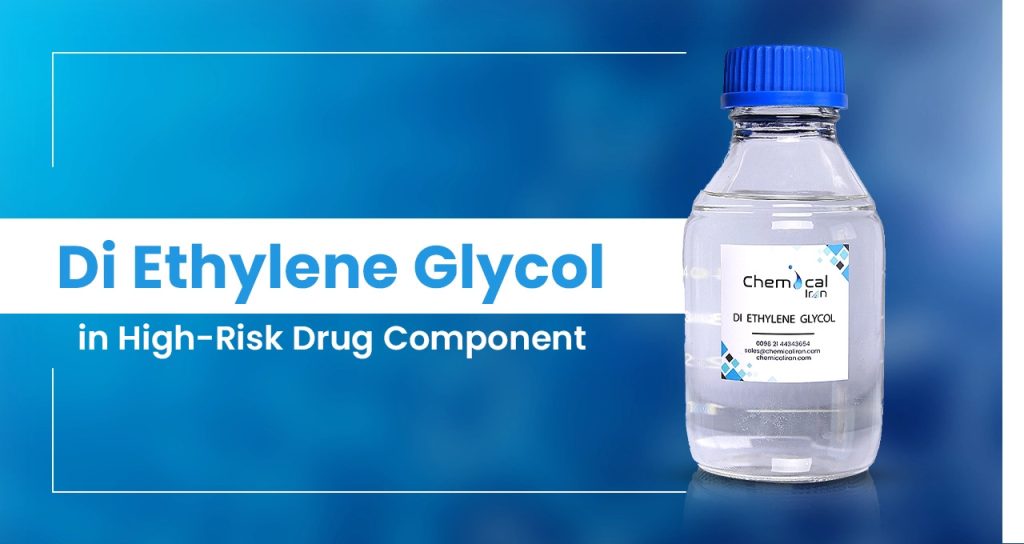
Di Ethylene Glycol in High-Risk Drug Component: FDA Guidance on Testing

Di Ethylene Glycol (DEG), an odorless and colorless organic chemical compound, is used for industrial applications, mostly as a solvent in pharmaceuticals, textiles, and plastic manufacturing, while a key ingredient in the production of antifreeze, resins, and plastics.  Recently, the contamination of drug components has been exposed with di ethylene glycol (DEG) and ethylene glycol (EG). That’s why the FDA has issued a testing guidance, especially in the case of high-risk drug products, for urgent implementation. This guidance replaces the previous guidance of the FDA of 2007, which is highly considerate for pharmaceutical manufacturers and suppliers to avoid the risks of contamination with high-risk drug products during testing DEG.  In today’s blog, we will discuss the testing guidance issued by the FDA outlining regulatory and statutory provisions complying with manufacturing practices to prevent further poisoning accidents. Let’s begin. FDA Guidance on Di Ethylene Glycol Testing for High-risk Drugs Truth be told, DEG and EG contamination and poisoning outbreaks in terms of some high-risk drug products are not something new. There have been numerous cases worldwide, leading to the deaths of hundreds. Considering the past and recent contamination incidents, especially for di ethylene glycol (DEG), the FDA has issued this guidance outlining the statutory and regulatory provisions.  First, understand the significance of this guidance on DEG testing for high-risk drug components. The core reason behind issuing this guidance is the lapses in the supply chain of DEG and the lack of required testing of high-risk drug products contaminated by DEG. On the other hand, high-risk drug component distribution chains are not apparent from certificates of analysis (COAs), which liquid drug product (oral) manufacturers rely on. As a result, DEG-contaminated products get into the pharmaceutical supply chain of raw materials and end up in final drug components. That’s why an immediate implementation of this guidance is issued to identify DEG contamination incidents and mention CGMP requirements to control and prevent further similar events from occurring.  Here are some current good manufacturing practices (CGMP) are highlighted in the guidance: Now, this guidance primarily addresses pharmaceutical manufacturers, suppliers, and repackers of high-risk drug products, especially those that are at high risk of contaminating with DEG and EG, such as propylene glycol, hydrogenated starch hydrolysate, sorbitol solution, glycerin, maltitol solution, etc. Other regulatory requirements and additional recommendations Besides these CGMP requirements mentioned above, a few more recommendations, including regulatory requirements, are added to the guidance for DEG and EG testing to control further contamination. In Conclusion Besides this guidance, the FDA recommends taking precautions during testing and lot acceptability to ensure no risks of DEG or EG contamination. And, when it comes to a reliable DEG manufacturer, distributor, and supplier, count on us. At Chemical Iran, we offer the best quality and purest di ethylene glycol (DEG) adhering to this guidance. Get a quote now for a bulk order!

Di Ethylene Glycol in High-Risk Drug Component: FDA Guidance on Testing Read More »

caustic soda flakes

Caustic Soda Flakes Commercial and Industrial Applications: A Guide in Brief

Caustic Soda Flakes (Sodium Hydroxide) is a versatile and highly alkaline chemical compound mostly used in different industrial applications due to its cleaning and corrosive properties.  This solid white substance comes with a crystalline appearance and the ability to react with various chemical compounds, making it a preferable choice for commercial and industrial uses, from soap-making to water treatment to detergent powder production.  Also, its uses in the textile industry are found widely. In this blog, we will explore its practical applications in industrial and commercial sectors.  Uses of Caustic Soda Flakes in Industrial and Commercial Sectors  Caustic soda flakes are highly soluble in water, making them ideal for various industrial and commercial requirements in different concentrations. For instance: Chemical manufacturing In the production of detergents, dyes, soaps, and pharmaceuticals, this chemical compound is used as a key ingredient due to its strong alkalinity, allowing it to act as a reactant or catalyst in the production of these chemical products. Food processing  In the hospitality industry and food sectors, caustic soda flakes are used as a fundamental ingredient for food processing and preservation. For example, this chemical substance is used for canning to remove potatoes, tomatoes, and other vegetables while used in food preservation in the hospitality sector to reduce the risks of bacteria and mould growth in food. Pulp and paper industry  When producing pulp or paper, caustic soda flakes are always the most preferred choice for manufacturers as a crucial ingredient to be used in the bleaching process to brighten and whiten paper while for the pulping process, where this chemical component breaks down lignin and facilitates cellulose fibre separation. Even in the paper recycling process, the use of caustic soda helps to eliminate ink from paper fibres so the papers can be reused. Water treatment Caustic soda flakes have a strong base, making them ideal for utilising in water treatment plants to eliminate heavy metals, like lead and copper, from wastewater and adjust the pH level to make the hard water into soft water so it can be used for daily life routines, from drinking to washing hands and clothes. In fact, this chemical compound has proved to be a vital ingredient for cleaning pipelines by eliminating calcium carbonate, which disrupts water flow. Textile industry In the manufacturing of cotton fibres, caustic soda is used to treat fabrics during the mercerisation process to enhance lustre, strength, and dye absorption abilities. Also, its uses in the textile industry are found for the scouring process, where the impurities from cotton fibres are eliminated by boiling the fibre in the alkaline solution of caustic soda. On the other hand, it is utilised as a pH level controller as well to strengthen the fibres. Cleaning agent production Caustic soda is a versatile cleaning agent, making it a key ingredient in the production of detergents, soap making, cleaners for commercial applications and even residential uses as well.   Petroleum industry One of the vital industrial uses of caustic soda flakes is petroleum refining and desulphurisation to eliminate sulphur and other impurities, like H2S and CO2, from crude oil fractions. Also, this chemical substance is an excellent neutraliser besides being a refinery used for drilling mud.  In Conclusion So, do you need the best quality caustic soda flakes for commercial or industrial applications? At Chemical Iran, we supply the highest quality caustic soda flakes 99% (Sodium Hydroxide) in Iran and across the globe for commercial and industrial applications. Being the leading caustic soda manufacturers, suppliers, distributors, and traders, we ensure the purity and quality of the chemical substances. Click here to get a quote and order now!

Caustic Soda Flakes Commercial and Industrial Applications: A Guide in Brief Read More »

sodium sulphide yellow flakes

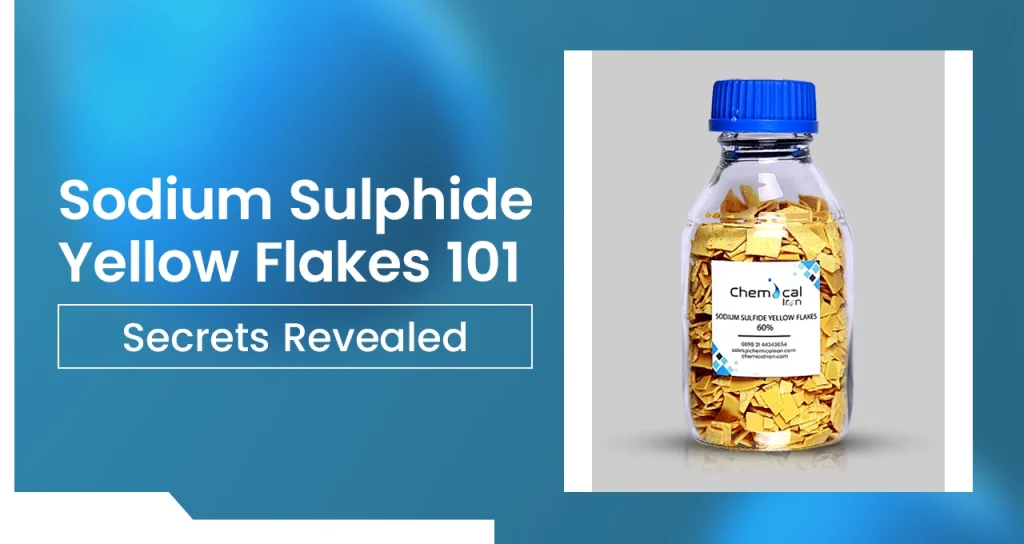
Sodium Sulphide Yellow Flakes 101: Secrets Revealed

Sodium sulfide yellow flakes are an inorganic chemical compound with a 60% concentration of sodium sulfide and a low 10 parts per million (PPM) impurity. This water soluble alkaline substance comes colorless and with a rotten egg odor if contacted with damp air. The most common uses of this golden chemical compound are found in industrial sectors for various applications. And, if you are seeking a sodium sulfide yellow flake supplier, understanding its uses, precautions and adverse effects is crucial before using it in any industrial application.  Interested? Keep reading. Versatile Uses of Sodium Sulfide Yellow Flakes Let’s begin understanding the versatility of sodium sulfide flakes (yellow) from its industrial uses. Pulp and paper industry This chemical compound has a versatile use in the paper and pulp industry in the production of high-quality pulp and paper to break down lignin. Yellow sodium sulfide flakes act as cooking liquor here in wood fibers. Manufacturers dissolve this chemical substance and cook wood chips to break down lignin, leading to pulp and paper formation.  Textile industry Sodium sulfide flakes (yellow) act as a key ingredient in the textile industry in the printing and dyeing process. Since this chemical substance is easily dissolved in water, it is convenient to use in producing textiles as a reducing agent to transform organic dyes into soluble forms, so it penetrates textiles perfectly.  Leather industry Sodium sulfide yellow flakes are an effective chemical compound to be used in the dehairing process in the leather industry. In leather production, this chemical substance helps in the tanning process to eliminate unwanted flesh, hair, and other impurities from the skin and hides.  Wastewater treatment Wastewater often includes heavy metals like cadmium, copper, lead, and metal sulfides. To eliminate these heavy metals and ensure environmental protection, sodium sulfide flakes (yellow) are used in wastewater treatment. When it comes into contact with these heavy metals, it forms insoluble sulfides, which are removable through filtration.  Chemical synthesis Sodium sulfide yellow flakes are a versatile chemical precursor used in the industrial chemical synthesis process of other chemical compounds and substances. It acts as a reagent in the process due to its high solubility in water. For instance, its uses in converting halides to sulfides, diminishing nitro compounds to amines, or triggering metal sulfides are noticeable.  Other uses: Safety Precautions for Sodium Sulfide Yellow Flakes for Industrial Application If you or your employees are using sodium sulfide flakes (yellow) for any kind of industrial application as mentioned above, it’s crucial to take safety precautions to prevent injuries and accidents. For example: If not handled properly, exposure to this chemical compound can result in skin irritation, flaking, and redness, while it can form poisonous gas like hydrogen sulfide if it comes into contact with acid. In any such case, it’s important to reach out to your nearest pharmacy or healthcare center.  In Conclusion We hope these details will help you with the industrial application for sodium sulfide yellow flakes. And, if you are seeking a reliable sodium sulfide flake manufacturer, supplier, and distributor, Chemical Iran is here to meet your supply needs. We manufacture and supply only the highest quality and pure sodium sulfide yellow flakes at 60% 10 PPM impurity level for industrial applications, alongside other chemical compounds at competitive prices. Get a quote now for bulk orders!  

Sodium Sulphide Yellow Flakes 101: Secrets Revealed Read More »

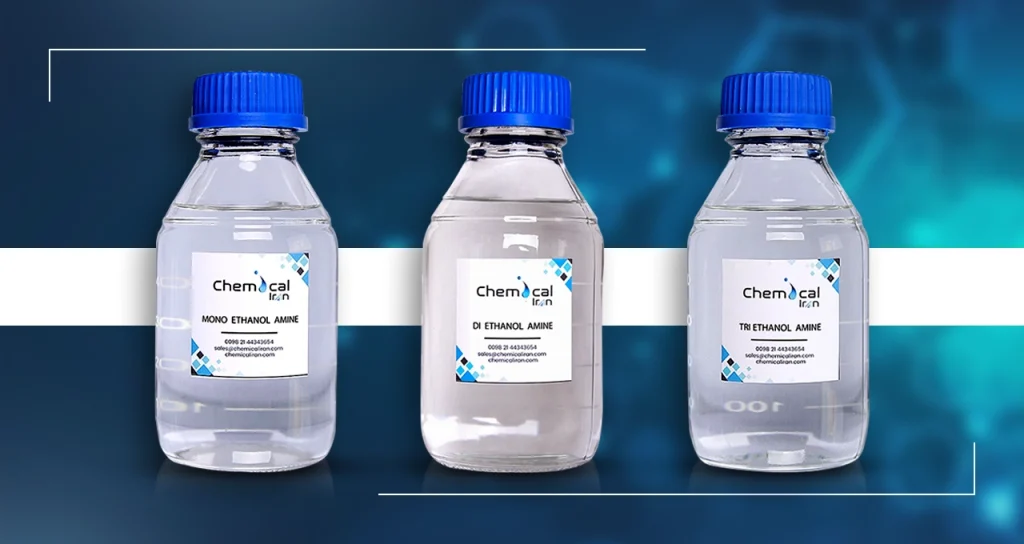
mono ethanol amine

Mono Ethanol Amine (MEA): Understanding Industrial Applications and Advantages in Brief

Whether seeking a chemical compound to utilize as a corrosion inhibitor, gas sweetening agent in the oil and gas sector, or a solvent in the detergent manufacturing process, Mono Ethanol Amine (MEA) is the versatile ingredient to go for.  Mono Ethanol Amine (MEA) is a colorless and clear chemical compound used for mostly industrial applications for its versatile properties, such as a solvent, pH regulator, and even corrosion inhibitor. This versatile organic chemical compound consists of an amine group (-NH2) attached to a hydroxyethyl group (-OH), making it soluble in water due to its unique chemical structure.  In today’s blog, we will delve into the overall benefits and industrial applications of MEA in brief. Let’s start with industrial applications. Industrial Applications of Mono Ethanol Amine (MEA) Since Mono Ethanol Amine (MEA) has a unique combination of a primary amine group (-NH2) and a hydroxyl group (-OH), its versatility and reactive nature make this chemical compound perfect for various industrial applications, from gas sweetening to pharmaceutical formulations. Such as: Gas sweetening The most common use of Mono Ethanol Amine (MEA) is as a gas sweetening agent in the gas industry. Here, the experts use MEA in the acidic gas removal process, such as hydrogen sulfide (H2S) and carbon dioxide (CO2) from refineries and natural gases. With a reaction between acidic gases and MEA, stable salt is formed, making it easy to eliminate from the gas stream. As a result, the safety and quality of natural gas or other gases are maintained, which are used as feedstocks and fuels.  Textile industry Another essential application of MEA is as a neutralizing ingredient in the dyeing and finishing process in the textile industry. It adjusts the pH level during the dyeing process to enhance the quality of the final fabric.  Chemical manufacturing When it comes to chemical production, Mono Ethanol Amine (MEA) is involved in various manufacturing processes in different sectors, including: Water treatment Mono Ethanol Amine (MEA) has alkaline properties, making it a crucial ingredient in the water treatment to be utilized as a pH regulator to maintain the pH levels. Also, it can be used as a corrosion inhibitor in this process to prevent the systems from corroding by creating a protective layer on the metal surface.  Cosmetics and personal care MEA is a proven pH-buffering agent preferred as a key ingredient in the production of personal care products and cosmetics, including shampoos, lotions, conditioners, and more, to control pH levels.  Advantages of Using Mono Ethanol Amine (MEA) in Industrial Applications If you wonder why Mono Ethanol Amine (MEA) is so preferred as a key ingredient in industrial applications, its limitless advantages can tell the reason behind it. For instance: Low volatility Being a relatively low-volatile chemical ingredient, MEA eliminates the risks of harmful gas emissions, which helps with recycling and recovery.  High solubility These organic chemical compounds are highly soluble in water and any other polar solvents, making them appropriate to utilize in various industrial applications, from oil and gas sectors to water treatment to personal care and cosmetics. Highly reactive  MEA is highly reactive to acidic gases and other compounds, making it a key ingredient in gas sweetening process for acidic gas removal from natural and refinery gases.  Affordable  Mono Ethanol Amine (MEA) is an inexpensive chemical compound. That’s why most industrial manufacturers consider utilizing it in various manufacturing processes, leveraging its unique properties.  Note: Although Mono Ethanol Amine (MEA) is an eco-friendly and safe chemical compound, make sure to handle it safely and responsibly while wearing protective equipment before any application.  In Conclusion Seeking the highest quality and pure Mono Ethanol Amine (MEA) for industrial applications? Look no further than Chemical Iran, a one-stop destination to buy organic chemical compounds in bulk affordably. Being the leading MEA manufacturer and supplier, we guarantee the utmost purity and quality of our product.  For more information, reach out to us today or get a quote to buy your product now!

Mono Ethanol Amine (MEA): Understanding Industrial Applications and Advantages in Brief Read More »

di ethylene glycol

Unleashing the Versatility of Di Ethylene Glycol (DEG) in Industrial Applications

Di Ethylene Glycol (DEG) is a pivotal chemical compound for industrial applications, from chemical manufacturing to textile industries to automotive sectors. This clear, colorless, and odorless organic solvent is easily miscible with water. According to its chemical formula, C4H10O3, it contains ethylene glycol attached to two hydroxyl groups, resulting in its chemical reactivity and solvent properties.  As a result, it is a key component in various industrial productions. And, in today’s blog, we will delve into it. Let’s begin. Industrial Uses of Di Ethylene Glycol (DEG) in Various Manufacturing As mentioned earlier, DEG is mostly implemented as a solvent in different industries, from pharmaceuticals to textiles to plastic manufacturing and even cosmetics and resins. Here’s how it is used: As plasticizers In the polymer industry, DEG is used as a key ingredient in the production of plastics due to its chemical stability, compatibility with different polymers, and solvent properties. Manufacturers utilize this chemical compound as a plasticizer to produce plastics for better durability and flexibility. Di Ethylene Glycol (DEG) reduces the glass transition temperature, while enhancing the chain mobility of the polymer, leading to more flexibility without eliminating mechanical strength.  Also, in the production of PVC (polyvinyl chloride) items, the application of this organic chemical compound is wide for its resilience and flexibility properties, such as flooring, pipes, and packaging materials. In fact, with evolving technology, DEG has become a crucial component in developing advanced materials and everyday products.  Polyester resins production When it comes to polyester resins, Di Ethylene Glycol (DEG) is a crucial ingredient. Usually, you may find the wide uses of resins in the marine, automotive, and construction industries. Now, saturated polymer resins include DEG for better weatherability and chemical resistance, making it appropriate to be incorporated in adhesives, fiberglass-reinforced plastics (FRP), and coatings. On the other hand,  unsaturated polyester resins consisting of DEG and other chemical compounds are commonly used in composite materials for flexibility and strength, such as automotive parts and boat hulls.  Pharmaceutical industries Another crucial application of Di Ethylene Glycol (DEG) is in the pharmaceutical sector. This chemical compound is used as a solvent in drug formulations and as a component in vaccines and medications as well. However, manufacturers must consider the process of adhering to strict regulations for their toxicity concerns.  Textile manufacturing Just like in the manufacturing of polyester fibers, DEG is utilized as a solvent in the textile sector in the printing and dyeing applications. This chemical compound helps bring lasting and vibrant colors to the fabric while improving its softness and moisture retention. In fact, many utilize DEG as a plasticizer here to improve the flexibility of the fabric.  Automotive sector In the automotive sector, the role of DEG is to work as a solvent for antifreeze solutions and coolant systems. it prevents the coolant systems from freezing by providing freezing point depression while maintaining engine temperature by increasing the boiling point. Also, it protects the engine components of automotive parts from wear and tear and corrosion.   Most Common FAQs on Di Ethylene Glycol (DEG) Here are some common questions we often get from clients. For instance: 1. Can DEG cause any health risks?  Yes, there can be some significant health issues from this chemical compound if ingested, inhaled, or absorbed into the skin. That’s why we recommend following safety measures and proper handling to avoid its exposure during industrial applications.  2. What should I do if I suspect DEG exposure?  Whether DEG exposure has occurred through skin contact, ingestion, or inhalation, immediate medical attention is important to eliminate the health risks.  3. How can we ensure the safe handling of Di Ethylene Glycol (DEG) during industrial applications? Whether you are a logistic manager, trader, or supply chain manager, make sure all the staff use personal protective equipment (PPE) and maintain proper ventilation when handling DEG. Also, industries should follow all the safety protocols, conduct employee training for proper DEG handling, and have emergency response plans for accidental DEG exposure.  In Conclusion Looking for the best Di Ethylene Glycol (DEG) manufacturer and supplier? At Chemical Iran, we offer the highest quality DEG bulk at wholesale prices for industrial applications. Get a quote now or reach out to us for more information!

Unleashing the Versatility of Di Ethylene Glycol (DEG) in Industrial Applications Read More »

di ethanol amine

Introducing Di Ethanol Amine: Industrial Applications and Uses in Brief

Industrial applications that need the implementation of organic chemical compounds always seek versatile and multifunctional substances. And, Di Ethanol Amine is the exact solution industrial manufacturers prefer. Di Ethanol Amine (DEA) is a colorless and clear chemical substance (C4H11NO2) with a mild odor like ammonia used for various industrial applications due to its versatility and multifunctional attributes. It is produced by a reaction between ammonia and ethylene oxide, making this substance highly soluble with alcohol and water. That’s why it is easy to incorporate into different formulations used in the manufacturing of personal care products, detergents, fabrics, and many more.  Industrial Applications of Di Ethanol Amine Across Various Sectors Di Ethanol Amine is not a preferred chemical substance or an ideal choice to be utilized in various industrial applications just for its versatility. This chemical compound has more amazing benefits as well, including: Versatility As mentioned earlier, DEA is the most preferred chemical compound for any industrial application due to its versatility and high solubility in organic solvents and water. It is used as a key ingredient in the manufacturing of detergents, cosmetics, and pharmaceuticals. Carbon capture In power plants and various industrial manufacturing processes, carbon dioxide (CO2) emissions harm the environment. Di Ethanol Amine plays a vital role in reducing these gas emissions through carbon capture and storage (CCS) technologies.  pH control In the production of agricultural chemicals and personal care products, DEA is used as a stabilizer and pH adjuster to have an effective control of pH level during the manufacturing process.  Corrosion inhibition In the gas sector, the corrosion of equipment and pipelines is a common concern in the case of gas treatments. This chemical compound neutralizes acidic components, causing corrosion and inhibiting the possibility.  Now, let’s see its probable applications across the industries, such as: Understanding Key Utilization of Di Ethanol Amine (DEA) Di Ethanol Amine is a key ingredient in the production of various products and even industrial processes for its unique ability of pH control and to act as a surfactant and emulsifier. Here are some primary uses to understand: Textile industry DEA is used as a key component in textile processing to add a soft feel and appearance to the fabric so the wearer can have that smooth feel even after multiple washes.  Detergents and surfactants  In the manufacturing of detergents and surfactants, Di Ethanol Amine (DEA) plays a crucial role as an emulsifier to blend fats and oils, which proves to be a key ingredient in laundry detergents, dishwashing liquids, and other household cleaning products. It enhances the effectiveness of cleaning formulations in dirt and grease removals. Agriculture sectors For the immediate production of pesticides and herbicides, DEA is a vital chemical compound used in the manufacturing process to increase the effectiveness and solubility of these agricultural chemicals, making them effective in protecting crops from weeds and pests.  Metalworking fluids Besides personal care products and gas treatments, Di Ethanol Amine acts as a key component in the coolants and cutting fluids during the metalworking process for cooling and lubricating workpieces and machinery. As a result, heat generation reduces, and the lifespan of tools increases.  Looking for a bulk supply of Di Ethanol Amine (DEA) at competitive prices? Chemical Iran is the leading DEA manufacturer and supplier to count on. We guarantee the highest quality and purity for every chemical compound we sell.  Buy now or request a quote for bulk orders. 

Introducing Di Ethanol Amine: Industrial Applications and Uses in Brief Read More »

tri ethylene glycol

Unlocking Industrial Uses of Tri Ethylene Glycol as Heat Transfer Fluid

Being a versatile chemical compound, Tri Ethylene Glycol (TEG) is used in various industrial applications. Although its most common uses are found as a dehydration agent in the gas sectors, TEG has unbelievable potential in the form of heat transfer fluid as well, making it most preferred choice for industrial heating and cooling procedures. However, this unique property is often overlooked. In today’s blog, we will unfold the power of Tri Ethylene Glycol as the ultimate heat transfer fluid. Let’s begin. Understanding the Power of Tri Ethylene Glycol (TEG) in Heat Transfer When it comes to selecting a heat transfer fluid for industrial heating and cooling processes, a number of factors are considered, including: Also, there’s another factor that is taken into account: whether the chemical compound is oil-based or water-based. On the one hand, while oil-based fluids offer high thermal resistance, water-based fluids, like Tri Ethylene Glycol (TEG), come with higher thermal conductivity and lower viscosity.  That’s why mostly water-based fluids are used for industrial heating and cooling applications, such as HVAC, heating, conditioning, and ventilation. For instance, glycols, like MEG and TEG, are the most preferred chemical compounds for industrial antifreeze applications. On the other hand, they are also a preferred choice as heat transfer fluids due to being easily miscible with water compared to any other oil-based chemical compound.  However, the potential of Tri Ethylene Glycol (TEG) as a heat transfer fluid is often left unconsidered. However, the truth is that TEG has a unique heat transfer potential for many industrial purposes, where the temperature is within the 200 to 400 Fahrenheit range, as it can bridge the gap between weather-based and oil-based heat transfer fluids.  Thermal stability of TEG Being a unique water-based heat transfer fluid, Tri Ethylene Glycol (TEG) can be used for industrial applications at temperatures of up to 400 Fahrenheit without any degradation. However, it is important to monitor and test this chemical compound periodically to ensure its capability when utilized for heat transfer. Besides, we recommend pH maintenance and corrosion inhibition treatments from time to time.  Anti-freeze protection In cold climates, the chances of water freezing increase, which needs to be controlled. Otherwise, catastrophic problems can occur, such as plant shutdown or pipeline plugging. To prevent such industrial issues, chemical compounds like TEG are used as heat transfer fluid to reduce the possibility of water freezing. When used for anti-freeze protection, Tri Ethylene Glycol (TEG) is utilized in low-temperature (below 32 Fahrenheit) areas to reduce the fluid’s freezing point. Also, it is an appropriate agent to use for lowering energy requirements for heating systems, pumping through pipes, energy conversions, and other systems.  Natural gas dehumidifying Dehumidifying natural gas is another leading industrial application of Tri Ethylene Glycol (TEG). This colorless, odorless, and clear chemical compound diminishes the water content of natural gas to prevent the probability of corrosion and plugging within the pipelines. TEG’s heat transfer properties allow it to perform in a wide range of temperatures, from sub-zero Fahrenheit to up to 400 Fahrenheit. Also, compared to oil-based fluids, TEG is a more preferred alternative in the gas sectors for its low energy requirement and low viscosity properties.  Besides these, Tri Ethylene Glycol (TEG) is used for heat transfer in other industries for high-temperature applications, including power generation plants, geothermal plants, and petrochemical plants, for its higher heat transfer capabilities than other glycol compounds.  In Conclusion So, are you in any of these industries seeking the best quality Tri Ethylene Glycol (TEG) at wholesale prices? If yes, count on Chemical Iran, the leading TEG manufacturer and supplier. We offer only pure and the highest quality chemical compounds at affordable prices, guaranteeing 100% customer satisfaction.  To learn more about our products, visit our website or call us now!

Unlocking Industrial Uses of Tri Ethylene Glycol as Heat Transfer Fluid Read More »

Chemical manufacturer 2 copy

Top 6 Considerations When Partnering with the Right Antifreeze Chemicals Manufacturer

Cold climates are always a concern for industrial sectors, from automotive to aerospace to manufacturing, due to freezing problems, whether it’s vehicle engines or machinery. The machines’ temperature keeps decreasing and ends up freezing unless a proper antifreeze solution is applied to regulate it.  But, when it comes to antifreeze chemicals, you can’t just pick anything. After all, not every antifreeze solution is created equally. It’s important to choose the right antifreeze chemical manufacturer before investing so you can maintain top-notch performance and longevity. Here’s how to find the best fit for your needs.  Key Factors to Consider When Selecting an Antifreeze Chemical Manufacturer When you want to provide the best antifreeze protection to machinery or vehicles to ensure optimal performance even during cold weather, it’s crucial to decide on a reliable manufacturer for premium antifreeze chemical solutions. And, here’s what to consider for that: Supply chain reliability When looking for the ultimate antifreeze solution for industrial applications, it’s always worth researching supply chain reliability. In this way, you can rest assured of supply chain consistency during bulk orders while getting the antifreeze chemicals tailored to your needs for improved performance and an extended lifespan of machinery, like coolants or vehicle engines. So, when partnering with an antifreeze chemical manufacturer and supplier, make sure to look into this.  Expertise and experience When looking for a tailored antifreeze chemical solution not just to prevent freezing of a machine’s coolant systems but to improve its performance, we say to research the experience and expertise of the manufacturer. With an experienced manufacturer of antifreeze chemicals, you can access a team of experts with a deep understanding of antifreeze formulations, requirements, and industry challenges. Make sure you check the proven track record of their antifreeze chemical solutions before investing in them.   Technical support Excellent technical support is crucial when getting antifreeze chemical solutions, especially when it’s the first time. With a reliable manufacturer, you can get proper guidance throughout the process, from product selection to application to troubleshooting and problem-solving. Moreover, with a knowledgeable technical representative, you can reach out to them on any issues or queries for further assistance.   Compatibility and performance Before investing in antifreeze chemicals from any manufacturer, it’s important to ensure that their products are compatible with your industrial applications, while its performance consideration is another factor to look into. Make sure the antifreeze chemical solution you are buying has the exact heat transfer properties, boiling point elevation, and freezing point depression needed for the specific applications.  Quality assurance When it comes to antifreeze chemicals, always prioritize quality; the solution must meet industry standards in terms of concentration and quality. Also, check if the antifreeze chemical manufacturer you choose maintains rigorous testing during manufacturing to meet industry standards and holds relevant certification from the industrial body, like ISO 9001, to guarantee consistency and product quality.  Price and value Pricing is also a considerable factor when ordering antifreeze chemicals in bulk from any manufacturer. So, always consider the overall costs, including the initial price, transportation charges, and additional costs, and check if it goes with your budget.  In Conclusion Looking for a reliable antifreeze chemical manufacturer and supplier? Count on us. At Chemical Iran, we offer industry-leading chemical solutions for antifreeze protection, ensuring optimal performance and protection for your industrial machinery and vehicles, even in extreme conditions. We have expertise in providing tailored antifreeze formulations to enhance machinery performance and longevity that meet industry standards. Whether you need us for any technical guidance for antifreeze chemical application or machinery performance, our team is here to help you out.  Order now or get a quote today!

Top 6 Considerations When Partnering with the Right Antifreeze Chemicals Manufacturer Read More »

meg mono ethylene glycol

Unfolding the Limitless Possibilities of Mono Ethylene Glycol (MEG)

MEG or mono ethylene glycol, is an odorless and colorless organic compound that tastes sweet but don’t be deceived by it. This industrial chemical has tons of uses and applications in almost every sector, from automotive cooling systems as an antifreeze to aircraft as a deicing agent. On the contrary, it is used as a fundamental building block in polyester resin and fiber production.  Interested in knowing what this organic chemical is and what its vast uses are? In today’s blog, we unlocked its limitless possibilities. Let’s start with its production! What Is Mono Ethylene Glycol? How Is It Produced? This industrial organic chemical, MEG, or mono ethylene glycol, is also known as 1,2-dihydroxyethane, 1,2-ethanediol, or EG. As said, it is a colorless and odorless compound with a light syrupy texture. MEG is preferred for most industrial applications due to its versatility and ability to be easily mixed with water, various organic compounds, and alcohol.  Whether used in the production of polyester fibers for clothing or as an antifreeze, deicing fluid, or coolant, its manufacturing process is carefully done. Leading mono ethylene glycol manufacturers and suppliers like us focus on the highest standards of quality and purity when producing MEG throughout the process, including: Major applications of Mono Ethylene Glycol In most industrial sectors, MEG has a great contribution to the production process in its various forms. For instance: Polyester fibers In the production of polyester fibers, MEG works as the building block, mostly used for textiles and clothing. The quality of the final output of polyester fiber depends on the purity of this organic compound. High-purity MEG makes the best quality polyester fibers, which are comfortable to wear, easy to care for, and wrinkle-free, while also being easy to blend with other fibers if required.  Coolants In engine coolant formulation, mono ethylene glycol has a great contribution in enhancing the ability of a cooling system to regulate the temperature of its engine by increasing the water mixture’s boiling point. This way, it significantly saves the engine from freezing or overheating while ensuring longevity and optimal performance in hot and cold climates.  Chemical intermediates MEG plays a virtual role in producing Polyethylene Terephthalate (PET) items, like PET bottles and film, mostly used in beverage and food packaging. High-purity MEG ensures premium quality PET item production, making it safe for beverage and food packaging while boasting recyclability.  De-icing agent In the industrial sector, MEG has a vast application in antifreeze formulations due to its exceptional ability to depress the water freezing point. It makes this organic compound a key agent in deicers, aircraft anti-icers, and coolants and ensures these systems stay safe while offering optimal performance even in freezing climates.  Water treatment MEG is a popular component used in water treatment as a corrosion inhibitor in various equipment and pipes due to its anti-corrosive properties. Also, it is used as an anti-freeze agent to maintain the efficiency of water treatment systems and their performance at freezing temperatures by reducing the freezing point. In Conclusion We hope you have a clear understanding of mono ethylene glycol (MEG) and its wide and limitless applications in industrial sectors. And, if you are seeking a reliable MEG manufacturer, distributor, or supplier, count on us. At Chemical Iran, we offer the highest quality mono ethylene glycol, maintaining the highest purity. Reach out to us today to learn more about your product or get a quote now!

Unfolding the Limitless Possibilities of Mono Ethylene Glycol (MEG) Read More »

Product Enquiry

Scroll to Top