Home » di ethylene glycol

di ethylene glycol

di ethylene glycol

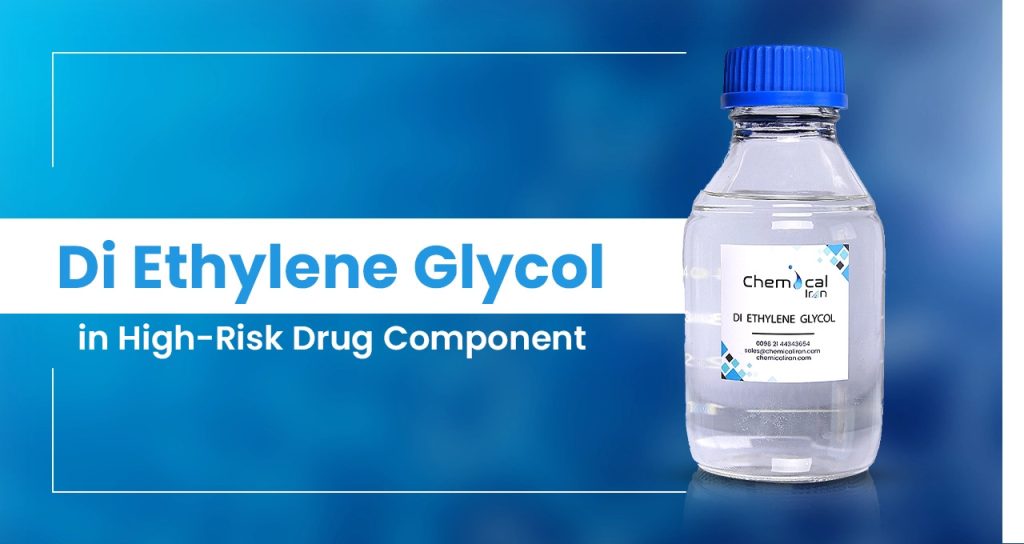
Di Ethylene Glycol in High-Risk Drug Component: FDA Guidance on Testing

Di Ethylene Glycol (DEG), an odorless and colorless organic chemical compound, is used for industrial applications, mostly as a solvent in pharmaceuticals, textiles, and plastic manufacturing, while a key ingredient in the production of antifreeze, resins, and plastics.  Recently, the contamination of drug components has been exposed with di ethylene glycol (DEG) and ethylene glycol (EG). That’s why the FDA has issued a testing guidance, especially in the case of high-risk drug products, for urgent implementation. This guidance replaces the previous guidance of the FDA of 2007, which is highly considerate for pharmaceutical manufacturers and suppliers to avoid the risks of contamination with high-risk drug products during testing DEG.  In today’s blog, we will discuss the testing guidance issued by the FDA outlining regulatory and statutory provisions complying with manufacturing practices to prevent further poisoning accidents. Let’s begin. FDA Guidance on Di Ethylene Glycol Testing for High-risk Drugs Truth be told, DEG and EG contamination and poisoning outbreaks in terms of some high-risk drug products are not something new. There have been numerous cases worldwide, leading to the deaths of hundreds. Considering the past and recent contamination incidents, especially for di ethylene glycol (DEG), the FDA has issued this guidance outlining the statutory and regulatory provisions.  First, understand the significance of this guidance on DEG testing for high-risk drug components. The core reason behind issuing this guidance is the lapses in the supply chain of DEG and the lack of required testing of high-risk drug products contaminated by DEG. On the other hand, high-risk drug component distribution chains are not apparent from certificates of analysis (COAs), which liquid drug product (oral) manufacturers rely on. As a result, DEG-contaminated products get into the pharmaceutical supply chain of raw materials and end up in final drug components. That’s why an immediate implementation of this guidance is issued to identify DEG contamination incidents and mention CGMP requirements to control and prevent further similar events from occurring.  Here are some current good manufacturing practices (CGMP) are highlighted in the guidance: Now, this guidance primarily addresses pharmaceutical manufacturers, suppliers, and repackers of high-risk drug products, especially those that are at high risk of contaminating with DEG and EG, such as propylene glycol, hydrogenated starch hydrolysate, sorbitol solution, glycerin, maltitol solution, etc. Other regulatory requirements and additional recommendations Besides these CGMP requirements mentioned above, a few more recommendations, including regulatory requirements, are added to the guidance for DEG and EG testing to control further contamination. In Conclusion Besides this guidance, the FDA recommends taking precautions during testing and lot acceptability to ensure no risks of DEG or EG contamination. And, when it comes to a reliable DEG manufacturer, distributor, and supplier, count on us. At Chemical Iran, we offer the best quality and purest di ethylene glycol (DEG) adhering to this guidance. Get a quote now for a bulk order!

Di Ethylene Glycol in High-Risk Drug Component: FDA Guidance on Testing Read More »

di ethylene glycol

Unleashing the Versatility of Di Ethylene Glycol (DEG) in Industrial Applications

Di Ethylene Glycol (DEG) is a pivotal chemical compound for industrial applications, from chemical manufacturing to textile industries to automotive sectors. This clear, colorless, and odorless organic solvent is easily miscible with water. According to its chemical formula, C4H10O3, it contains ethylene glycol attached to two hydroxyl groups, resulting in its chemical reactivity and solvent properties.  As a result, it is a key component in various industrial productions. And, in today’s blog, we will delve into it. Let’s begin. Industrial Uses of Di Ethylene Glycol (DEG) in Various Manufacturing As mentioned earlier, DEG is mostly implemented as a solvent in different industries, from pharmaceuticals to textiles to plastic manufacturing and even cosmetics and resins. Here’s how it is used: As plasticizers In the polymer industry, DEG is used as a key ingredient in the production of plastics due to its chemical stability, compatibility with different polymers, and solvent properties. Manufacturers utilize this chemical compound as a plasticizer to produce plastics for better durability and flexibility. Di Ethylene Glycol (DEG) reduces the glass transition temperature, while enhancing the chain mobility of the polymer, leading to more flexibility without eliminating mechanical strength.  Also, in the production of PVC (polyvinyl chloride) items, the application of this organic chemical compound is wide for its resilience and flexibility properties, such as flooring, pipes, and packaging materials. In fact, with evolving technology, DEG has become a crucial component in developing advanced materials and everyday products.  Polyester resins production When it comes to polyester resins, Di Ethylene Glycol (DEG) is a crucial ingredient. Usually, you may find the wide uses of resins in the marine, automotive, and construction industries. Now, saturated polymer resins include DEG for better weatherability and chemical resistance, making it appropriate to be incorporated in adhesives, fiberglass-reinforced plastics (FRP), and coatings. On the other hand,  unsaturated polyester resins consisting of DEG and other chemical compounds are commonly used in composite materials for flexibility and strength, such as automotive parts and boat hulls.  Pharmaceutical industries Another crucial application of Di Ethylene Glycol (DEG) is in the pharmaceutical sector. This chemical compound is used as a solvent in drug formulations and as a component in vaccines and medications as well. However, manufacturers must consider the process of adhering to strict regulations for their toxicity concerns.  Textile manufacturing Just like in the manufacturing of polyester fibers, DEG is utilized as a solvent in the textile sector in the printing and dyeing applications. This chemical compound helps bring lasting and vibrant colors to the fabric while improving its softness and moisture retention. In fact, many utilize DEG as a plasticizer here to improve the flexibility of the fabric.  Automotive sector In the automotive sector, the role of DEG is to work as a solvent for antifreeze solutions and coolant systems. it prevents the coolant systems from freezing by providing freezing point depression while maintaining engine temperature by increasing the boiling point. Also, it protects the engine components of automotive parts from wear and tear and corrosion.   Most Common FAQs on Di Ethylene Glycol (DEG) Here are some common questions we often get from clients. For instance: 1. Can DEG cause any health risks?  Yes, there can be some significant health issues from this chemical compound if ingested, inhaled, or absorbed into the skin. That’s why we recommend following safety measures and proper handling to avoid its exposure during industrial applications.  2. What should I do if I suspect DEG exposure?  Whether DEG exposure has occurred through skin contact, ingestion, or inhalation, immediate medical attention is important to eliminate the health risks.  3. How can we ensure the safe handling of Di Ethylene Glycol (DEG) during industrial applications? Whether you are a logistic manager, trader, or supply chain manager, make sure all the staff use personal protective equipment (PPE) and maintain proper ventilation when handling DEG. Also, industries should follow all the safety protocols, conduct employee training for proper DEG handling, and have emergency response plans for accidental DEG exposure.  In Conclusion Looking for the best Di Ethylene Glycol (DEG) manufacturer and supplier? At Chemical Iran, we offer the highest quality DEG bulk at wholesale prices for industrial applications. Get a quote now or reach out to us for more information!

Unleashing the Versatility of Di Ethylene Glycol (DEG) in Industrial Applications Read More »

Product Enquiry

Scroll to Top